How to Select the Right Dehumidifier for Your Commercial Swimming Pool
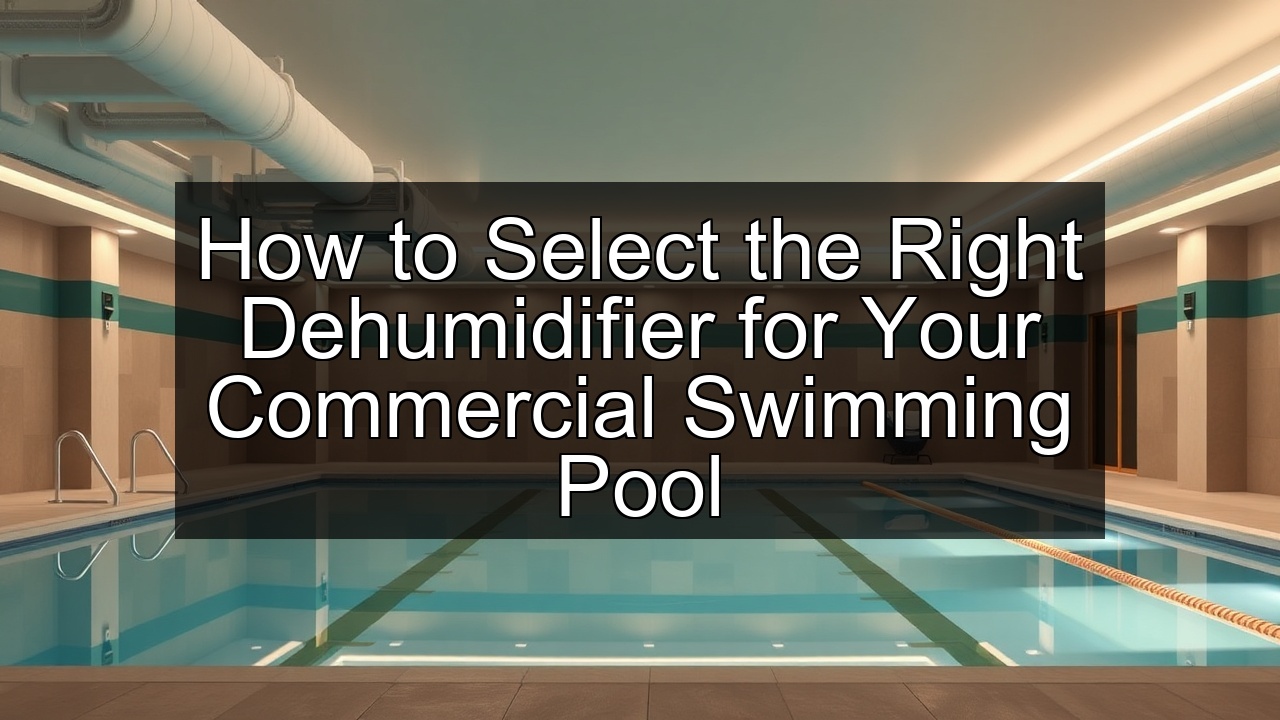
Understanding the Importance of Dehumidification in Commercial Swimming Pools
The Role of Relative Humidity in Indoor Pools
Relative humidity plays a crucial role in the comfort and safety of indoor swimming pools. Maintaining optimal relative humidity levels, typically between 30% and 60%, prevents excessive moisture that can lead to problems such as mold growth and structural damage. High humidity levels can result in condensation on walls and ceilings, accelerating the deterioration of materials like cement and wood. Additionally, an uncomfortable environment can deter patrons from enjoying the facilities, reducing overall usage. Effective humidity control ensures that swimmers and visitors can enjoy a pleasant atmosphere while minimizing health risks associated with poor air quality.
ASHRAE Guidelines for Natatoriums
The American Society of Heating, Refrigerating and Air-Conditioning Engineers (ASHRAE) provides essential guidelines for natatoriums, helping facility managers maintain optimal air quality and comfort. These guidelines recommend specific temperature and humidity levels for indoor pools, emphasizing the importance of proper dehumidification systems. Adhering to ASHRAE standards not only ensures compliance with health regulations but also enhances the longevity of pool infrastructure. Implementing the right swimming pool dehumidifiers as per these guidelines can significantly reduce energy consumption and operational dehumidifier for swimming pool costs while keeping the indoor environment safe and enjoyable for all users.
Impact of Humidity on Pool Infrastructure and Air Quality
Humidity levels directly affect both the infrastructure of commercial swimming pools and the air quality within the facility. Excess moisture can lead to corrosion of metal fixtures, deterioration of building materials, and the growth of mold and mildew. This not only poses health risks to patrons but also necessitates costly repairs and maintenance. Furthermore, poor air quality stemming from high humidity can result in discomfort and respiratory issues for swimmers. By investing in effective swimming pool dehumidification technologies, pool operators can safeguard their facilities against these issues while improving the overall experience for users.
Types of Dehumidifiers for Commercial Swimming Pools
Desiccant Dehumidifiers vs. Refrigerant Dehumidifiers
Choosing the right type of dehumidifier is essential for effective humidity control in commercial swimming pools. Desiccant dehumidifiers utilize a material that absorbs moisture from the air, making them highly effective in environments with low temperatures and high humidity. These units operate well in indoor pools and can often achieve lower humidity levels than their refrigerant counterparts. On the other hand, refrigerant dehumidifiers work by cooling air to condense moisture, making them suitable for warmer climates. Both types have their advantages and disadvantages, so selecting between desiccant and refrigerant dehumidifiers depends on specific environmental conditions, energy efficiency, and budget constraints.
Heavy Duty Swimming Pool Dehumidifiers
For commercial settings, heavy-duty swimming pool dehumidifiers are essential. These robust units are designed to handle the significant humidity produced by large indoor pools. They often feature advanced technology that provides high airflow rates and efficient moisture removal capabilities. When selecting heavy-duty options, ensure they meet the specific demands of your facility, including the required CFM (cubic feet per minute) for effective humidity control. Investing in a quality heavy-duty dehumidifier not only improves air quality but also protects your investment in pool infrastructure, ensuring a safe and pleasant environment for all users.
Innovative Technologies in Swimming Pool Dehumidification
Recent advancements in technology have revolutionized swimming pool dehumidification. Features such as smart sensors and automation allow modern dehumidifiers to adjust their operation based on real-time humidity levels. Energy-saving technologies, including heat pumps, enhance efficiency by utilizing waste heat to maintain optimal temperatures. Brands like NexGen offer innovative solutions that integrate seamlessly with existing heating and climate control systems, optimizing energy use while ensuring adequate moisture removal. By opting for these modern solutions, facility managers can achieve effective pool moisture control while reducing operational costs.
Selecting the Right Dehumidifier: Key Considerations
Calculating Required CFM for Effective Humidity Control
Calculating the required CFM (cubic feet per minute) is a critical step in selecting the right dehumidifier for your commercial swimming pool. Understanding the volume of the indoor pool area, along with the specific humidity levels, allows for accurate sizing of the dehumidification system. A general guideline suggests that dehumidifiers should be capable of exchanging the air in the room multiple times per hour. Proper calculations ensure efficient moisture removal, preventing the buildup of excess humidity that can lead to structural damage and poor air quality. Consult with an expert to determine the exact CFM needed based on the unique characteristics of your facility.
Energy Saving Features in Modern Dehumidifiers
Energy efficiency plays a vital role in the selection of commercial swimming pool dehumidifiers. Look for units that boast energy-saving features, such as variable speed fans and eco-friendly refrigerants. These innovations can significantly reduce energy consumption while maintaining optimal humidity control. In addition, programmable timers and smart technology enable facility managers to operate dehumidifiers only when necessary, further lowering operational costs. Investing in energy-efficient dehumidifiers not only benefits the environment but also enhances the bottom line, making it a wise choice for any commercial pool operator.
Integration with Heaters and Climate Control Systems
Integrating dehumidifiers with existing heaters and climate control systems is essential for achieving optimal performance in indoor swimming pools. A well-coordinated system allows for better moisture management and temperature regulation, ensuring a comfortable environment for swimmers. Many modern dehumidifiers offer compatibility with heating systems, enabling them to work in tandem for maximum efficiency. This integration also simplifies control, allowing facility managers to monitor and adjust settings from a single interface. Choosing a dehumidifier that seamlessly integrates with your existing systems can streamline operations and enhance overall climate control within the natatorium.
Installation and Maintenance of Dehumidifiers in Indoor Pools
Common Troubleshooting Tips
Proper installation and regular maintenance of swimming pool dehumidifiers are vital for ensuring long-term efficiency. However, issues may arise. Common troubleshooting tips include checking for blockages in the air intake or exhaust, inspecting filters for clogs, and ensuring that the unit is correctly sized for the space. Regularly monitoring humidity levels also helps detect any performance issues early on. If the dehumidifier fails to maintain desired humidity levels, it may require professional assessment. By addressing these common problems promptly, facility managers can avoid costly repairs and ensure optimal performance throughout the operational life of the unit.
Best Practices for Maintaining Pool Moisture Control
Maintaining effective moisture control in indoor pools requires regular attention to the dehumidification system. Schedule routine inspections and cleanings to ensure optimal performance. Check and replace filters as needed to prevent clogs that can hinder airflow and efficiency. Additionally, monitor the humidity levels consistently, adjusting the dehumidifier settings if necessary. Implementing a maintenance schedule not only prolongs the life of the dehumidifier but also ensures a consistently comfortable environment for patrons. Training staff on proper maintenance practices further enhances the effectiveness of moisture control strategies in your facility.
Expert Recommendations for Long-Term Efficiency
Experts recommend several strategies for maximizing the long-term efficiency of swimming pool dehumidifiers. First, invest in high-quality units that meet ASHRAE guidelines for natatoriums. Opt for models with advanced features, such as energy-saving technology and smart sensors, to ensure optimal performance. Regular training for staff on troubleshooting and maintenance can also best swimming pool dehumidifiers contribute to the longevity and effectiveness of the dehumidification system. Finally, consider consulting with HVAC professionals to tailor solutions specific to your facility's needs. By following these expert recommendations, commercial pool operators can create a safe, comfortable environment while minimizing operational costs.
See Also
- How Dehumidifiers Enhance Your Indoor Swimming Pool Experience
- Energy Saving Solutions with Advanced Pool Dehumidification Technology
- A Guide to Selecting the Best Dehumidifier for Your Indoor Pool
- Dehumidifier Innovations Revolutionizing Indoor Swimming Experiences
- Mastering Indoor Pool Comfort with Effective Dehumidification Strategies