How Environmental Factors Affect Diesel Tank Level Measurement
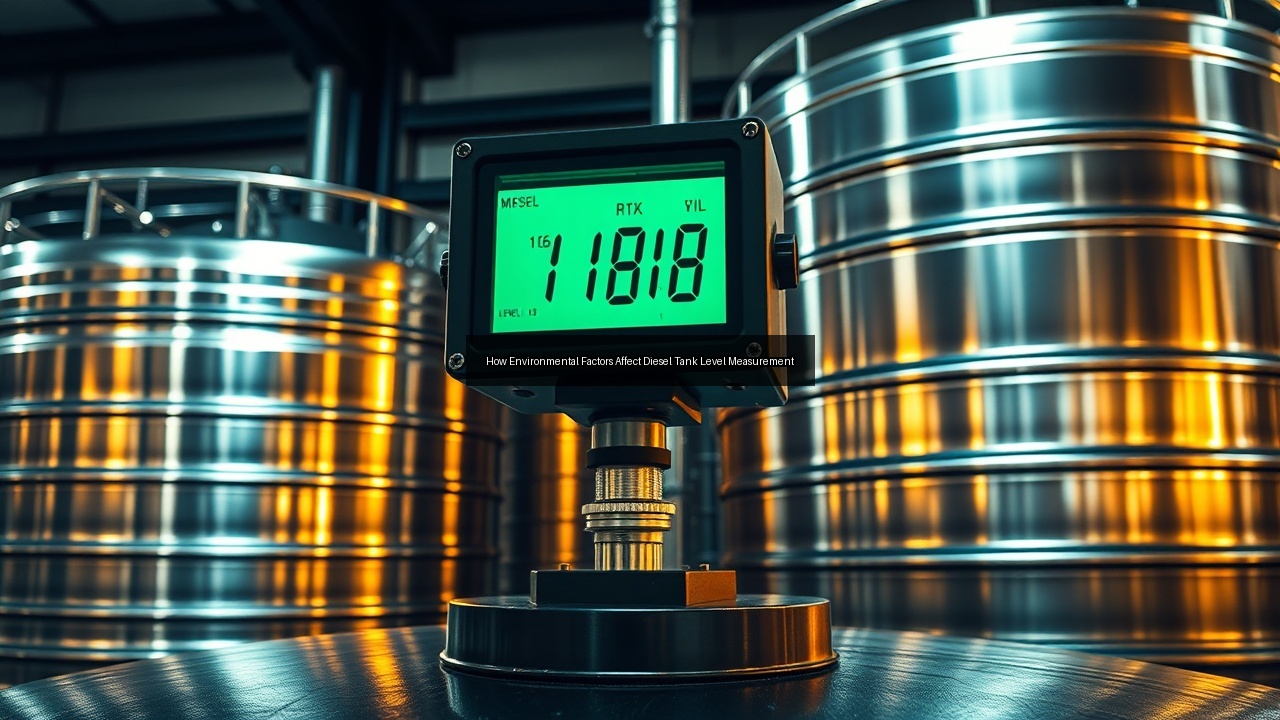
Understanding Diesel Tank Level Measurement
Overview of Diesel Fuel Storage
Diesel fuel plays a crucial role in powering diesel engines used in various applications, from transportation to industrial machinery. Proper storage of diesel fuels is essential to ensure efficiency and safety. Typically, diesel fuel is stored in tanks made from materials such as stainless steel or plastic, depending on the specific needs and regulations of the site. Tank farms, where multiple tanks are located for bulk storage, serve as significant facilities for managing diesel. These storage systems must be properly designed and maintained to prevent contamination and ensure the longevity of the stored fuel.
Importance of Accurate Level Measurement
Accurate diesel tank level measurement is vital for several reasons. Firstly, it prevents overfilling, which can lead to spills and environmental hazards. Secondly, it ensures that diesel engines receive a consistent fuel supply, minimizing operational disruptions. Moreover, accurate level measurement helps in inventory management, allowing businesses to optimize their fuel usage and reduce costs. The reliability of diesel tank level indicators directly impacts operational efficiency, highlighting the significance of maintaining precise measurement systems.
Common Types of Diesel Tank Level Indicators
Diesel tank level indicators come in various forms, each suited for different applications. Mechanical float gauges, for instance, use a floating device that rises and falls with the fuel level, providing a visual indication. Electronic level sensors employ ultrasonic or capacitive technology to measure fuel levels more precisely. Additionally, radar level gauges can deliver accurate readings regardless of environmental factors. Each type of level gauge has its strengths and weaknesses, and the choice often depends on the specific conditions of the tank and the operational requirements.
Environmental Factors Influencing Diesel Tank Measurement
Temperature Variations and Their Impact
Temperature fluctuations significantly affect diesel tank level measurement. Diesel fuel expands and contracts with temperature changes, impacting the accuracy of level gauges. As temperatures rise, diesel expands, causing the level gauge to indicate a higher fuel level than it actually is. Conversely, cooler temperatures lead to contraction, which can result in underestimating the fuel level. Accurate level measurement systems must account for these temperature variations. Implementing temperature compensation features in level indicators can help mitigate inaccuracies, ensuring reliable readings regardless of environmental conditions.
Humidity and Its Effects on Level Gauges
Humidity can also influence the performance of diesel tank level indicators. High humidity levels can lead to condensation within the storage tank, which may affect the measurement accuracy. Water contamination poses risks not only to the level measurement but also to the diesel fuel itself, potentially harming diesel engines. Additionally, moisture can corrode metal components of level gauges, causing malfunctions. To combat these issues, operators should consider using humidity-resistant materials and ensure proper ventilation in tank farms to minimize condensation effects on the level measurement systems.
Contamination from Environmental Sources
Environmental contamination remains a significant concern for diesel fuel storage. External pollutants, such as dirt, debris, and water, can enter the diesel tanks, affecting both the quality of the fuel and the accuracy of level gauges. Contaminants can disrupt the operation of level sensors, leading to erroneous readings. Regular inspections and maintenance are crucial in preventing such contamination. Implementing filtration systems and proper sealing techniques can significantly reduce the risk of environmental contamination, ensuring that the level indicators provide accurate measurements and that the diesel fuel remains uncontaminated.
Technological Advances in Diesel Tank Level Measurement
Innovations in Level Sensors
Recent technological advancements have revolutionized diesel tank level measurement. Innovations in level sensors have enhanced accuracy and reliability. For instance, the development of smart level sensors incorporates IoT technology, enabling real-time monitoring and data transmission. These sensors can provide alerts for low fuel levels, potential leaks, or equipment malfunctions, allowing for proactive management of diesel tanks. With remote monitoring capabilities, operators can access critical data from anywhere, improving decision-making and operational efficiency.
Comparative Analysis of Level Gauges
Understanding the various types of level gauges available is essential for selecting the right system for diesel tank measurement. Mechanical gauges remain popular due to their simplicity and low cost, but they lack the precision of electronic gauges. Electronic options, such as ultrasonic and radar level gauges, offer higher accuracy and can function in challenging conditions. A comparative analysis reveals that while mechanical gauges may suffice for basic needs, electronic gauges deliver superior performance, particularly in environments where environmental factors pose challenges. Operators should evaluate their specific requirements to choose the most appropriate level gauge.
Integration of Data for Enhanced Monitoring
Integrating data from various sources enhances the monitoring of diesel tank levels. Modern systems can compile information from level sensors, temperature gauges, and environmental monitoring tools to provide a comprehensive overview of tank conditions. This integrated approach enables operators to identify trends, predict maintenance needs, and optimize fuel usage effectively. Data analytics can reveal insights that drive operational improvements, allowing for more informed decision-making and ultimately leading to cost savings. Embracing data integration transforms diesel tank management into a more strategic and efficient process.
Best Practices for Maintaining Accurate Diesel Tank Level Indicators
Routine Calibration and Maintenance
Routine calibration and maintenance of diesel tank level indicators are critical for ensuring accuracy. Regular checks help identify any deviations in measurement caused by wear and tear or environmental factors. Maintenance schedules should include cleaning the level sensor components, inspecting for corrosion, and verifying the calibration against known standards. Establishing a consistent maintenance routine not only prolongs the lifespan of the level gauges but also enhances their reliability, leading to more accurate diesel tank level measurements.
Choosing the Right Materials for Tanks
The choice of materials for diesel tanks significantly affects the performance of level measurement systems. Tanks made from stainless steel offer durability and resistance to corrosion, making them ideal for long-term storage. On the other hand, plastic tanks can be lightweight and less expensive but may not withstand environmental stresses as effectively. Operators must consider the specific conditions of their storage sites and select materials that will safeguard both the fuel and the level measurement systems from potential damage.
Environmental Considerations for Tank Farms
Environmental considerations play a vital role in the management of tank farms. Ensuring that the tanks are positioned to minimize exposure to elements that could compromise measurement accuracy is essential. Adequate drainage systems should be in place to prevent water accumulation around the tanks, which can lead to contamination. Additionally, implementing spill prevention measures and regular environmental assessments can help maintain compliance with regulations and enhance safety. By prioritizing environmental considerations, operators can protect their diesel fuel storage operations and ensure the accuracy of their diesel tank level indicators.
See Also
- The Role of Diesel Tank Level Indicators in Fuel Management Systems
- Understanding the Importance of a Reliable Diesel Tank Level Indicator
- A Comprehensive Guide to Diesel Tank Level Indicators for Beginners
- How to Choose the Best Diesel Tank Level Gauge for Your Needs
- Maximizing Efficiency with Accurate Diesel Fuel Tank Level Indicators