Biocompatible Materials in Medical Device Plastic Molding
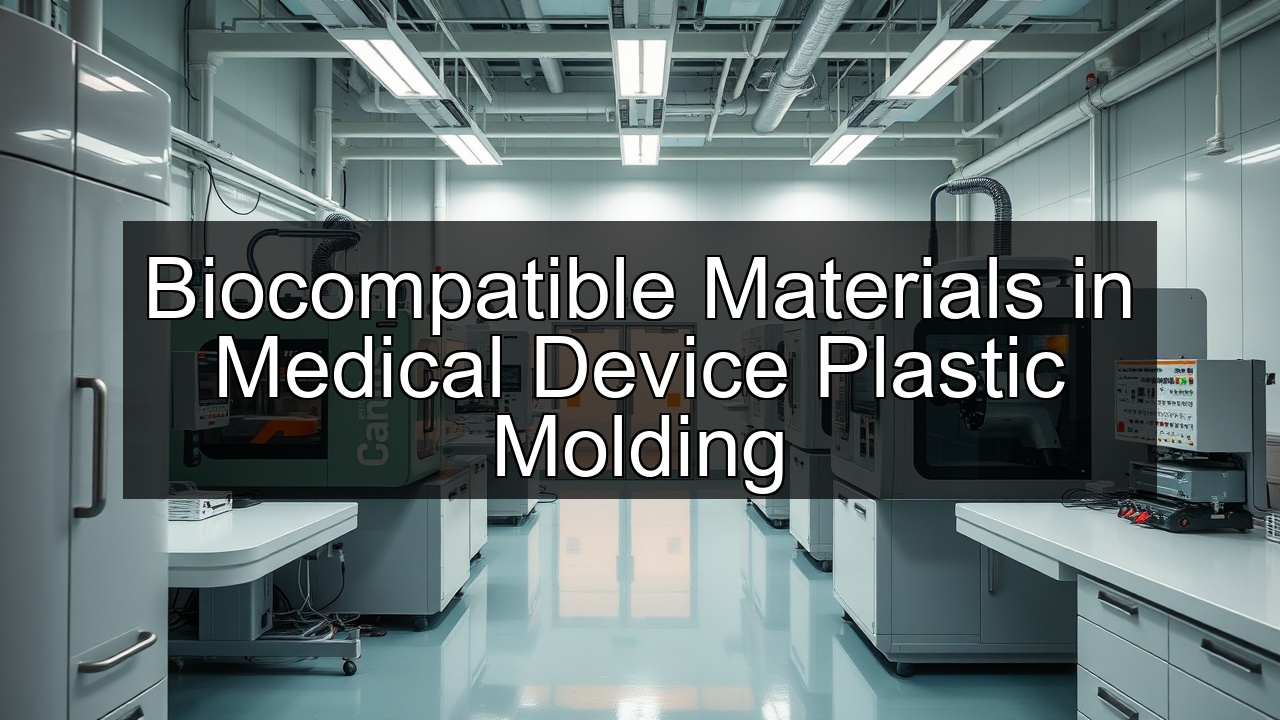
Understanding Biocompatible Materials in Medical Device Plastic Molding
Definition of Biocompatibility
Biocompatibility refers to the ability of a material to perform its intended function without eliciting an adverse response from the body. In the context of medical device plastic molding, biocompatibility ensures that materials such as polyethylene (PE), silicone, and perfluoroalkoxy (FEP) interact safely with biological tissues. This characteristic is critical for devices that come into direct contact with blood or other bodily fluids, such as implants and diagnostic equipment. The United States Pharmacopeia defines specific standards for biocompatibility, guiding manufacturers in selecting materials that minimize risk and promote patient safety.
Importance of Biocompatible Materials in Healthcare Devices
Choosing biocompatible materials is essential in healthcare devices, especially for Class III medical devices, which undergo rigorous scrutiny due to their invasive nature. These materials help prevent complications such as infection or allergic reactions, which can arise from non-biocompatible substances. Moreover, the use of biocompatible plastics enhances the longevity and performance of medical equipment, thereby improving patient outcomes. Manufacturers must prioritize these materials to adhere to FDA regulations and ISO standards, ensuring compliance and trust in the medical products they provide.
Common Biocompatible Plastics: PE, FEP, and Silicone
Several biocompatible plastics are commonly used in medical device plastic molding. Polyethylene (PE) is widely recognized for its chemical resistance and flexibility, making it suitable for a variety of applications, including packaging and medical equipment. FEP, known for its high-temperature resistance and non-stick properties, is ideal for applications requiring low friction. Silicone, with its excellent biocompatibility and stability, is often used in prostheses and implants where comfort and durability are paramount. Understanding the characteristics of these materials helps medical device manufacturers make informed choices that align with the specific needs of their products.
Key Considerations in Medical Device Plastic Molding
Regulatory Compliance and FDA Regulations
Regulatory compliance is a cornerstone of medical device manufacturing. The FDA sets stringent guidelines that manufacturers must follow to ensure the safety and efficacy of medical devices. Compliance with these regulations involves rigorous testing and documentation of materials and processes used in medical device plastic molding. Manufacturers must provide evidence that their products meet safety standards before they can reach the market. This process includes thorough evaluations of biocompatibility, mechanical properties, and the potential for infection control, ensuring that all aspects of the device's lifecycle adhere to established guidelines.
ISO Standards: ISO 10993 and ISO 14644
ISO standards play a vital role in ensuring the quality and safety of medical devices. ISO 10993 specifically addresses the biological evaluation of medical devices, delineating guidelines for testing materials that come into contact with human tissues. This standard helps manufacturers assess risks associated with biocompatible materials. ISO 14644 focuses on cleanroom standards, which are essential for maintaining a controlled environment during the manufacturing process. Adhering to these standards not only ensures compliance but also enhances the credibility of medical device manufacturers in the eyes of regulatory bodies and consumers.
Cleanroom Requirements in Medical Device Manufacturing
Cleanrooms are critical in the medical device manufacturing process, particularly when working with biocompatible materials. These controlled environments minimize contamination risks that could compromise product integrity. Strict protocols govern cleanroom operations, including air filtration, temperature control, and personnel hygiene. Medical device manufacturers must invest in cleanroom technologies to ensure compliance with ISO 14644. This investment not only protects the devices during production but also upholds the quality standards necessary for successful market entry.
Innovations in Medical Device Plastic Molding Techniques
Injection Molding vs. Overmolding in Medical Applications
Injection molding remains a foundational technique in medical device plastic molding, allowing manufacturers to produce complex shapes and designs efficiently. This method is particularly effective for creating components with precise dimensions, essential for devices like implants and prostheses. Overmolding, on the other hand, combines two materials in a single process, enhancing the functionality of the final product. For example, a soft silicone overmold can provide a comfortable grip on a harder plastic base. This innovation not only improves the tactile experience for patients but also allows for the integration of varied properties in one device.
3D Printing for Custom Medical Devices
3D printing has revolutionized the landscape of medical medical device molding device manufacturing, offering unparalleled customization options. This technology enables rapid prototyping and the production of tailored solutions for individual patients. For instance, 3D printing can create patient-specific prostheses that accommodate unique anatomical features. As advancements continue, the use of biocompatible materials in 3D printing expands, allowing for the development of medical devices that meet stringent regulatory standards while providing optimal performance and comfort. This innovative approach enhances the capabilities of medical device manufacturers, enabling them to address complex healthcare needs effectively.
The Role of Insert Molding in Prostheses and Implants
Insert molding integrates components into the molding process, providing a seamless solution for complex medical devices. This technique is particularly beneficial for prostheses and implants, where precision and reliability are paramount. By embedding support structures within the molded plastic, manufacturers can enhance the strength and durability of the final product. This method also streamlines production and reduces assembly time, ultimately lowering costs. As the demand for high-quality medical devices grows, insert molding proves to be a valuable technique in the arsenal of medical device manufacturers.
Challenges and Risk Management in Medical Device Manufacturing
Infection Control and Sterilization Techniques
Infection control is a major concern in medical device manufacturing, especially for products that interact with bodily fluids. Manufacturers must implement stringent sterilization techniques to mitigate risks associated with infections. Methods such as gamma radiation, ethylene oxide gas, and steam sterilization are commonly employed to ensure that devices meet the required safety standards. Understanding the compatibility of biocompatible materials with specific sterilization methods is crucial. Effective sterilization not only protects patients but also enhances the reputation of manufacturers in the competitive medtech industry.
Evaluating Risks Associated with Medical Plastics
Evaluating risks associated with medical plastics is an ongoing challenge for manufacturers. Factors such as chemical leachability, mechanical strength, and potential for degradation under various conditions must be carefully assessed. The use of ISO 10993 provides a framework for evaluating these risks systematically. Manufacturers must conduct thorough testing throughout the product lifecycle to identify potential issues that could medical platic molding arise during use. By proactively addressing these risks, medical device manufacturers can improve product safety and efficacy, ultimately fostering greater trust among healthcare providers and patients.
Takeaways for Medical Device Manufacturers
Medical device manufacturers face numerous challenges in the quest for safety and efficacy. Prioritizing biocompatible materials, adhering to regulatory compliance, and implementing innovative molding techniques are critical steps in this process. Understanding ISO standards and maintaining cleanroom environments enhances product quality and safety. Moreover, manufacturers must prioritize infection control and risk management strategies to protect patients and their reputation in the industry. By focusing on these key areas, manufacturers can successfully navigate the complexities of medical device plastic molding and deliver high-quality healthcare devices that meet the evolving needs of the market.